
Before Branding. The Long History of Symbols and Identity
A brief introduction into why I am so obsessed with symbols and iconography, and why branding is really just the modern chapter of a much older human habit.
I have always been fascinated by symbols. Not just logos or icons, but the idea that an entire story can be compressed into a single shape. A symbol can carry history, emotion, identity, and power all at once. Something so small can hold meaning that spans generations.
Symbols can influence nations. They can define movements. They can be used for good, or for evil. And yet the symbol itself has no inherent power. A shape is just a shape. The weight comes from what we project onto it, and what we collectively agree it carries.
There are very few things that withstand the tides of time. I remember a poem from high school about writing in the sand, only to watch the ocean erase it. But symbols have this strange habit of enduring. Long after civilizations fade, their symbols often remain, still carrying fragments of meaning forward.
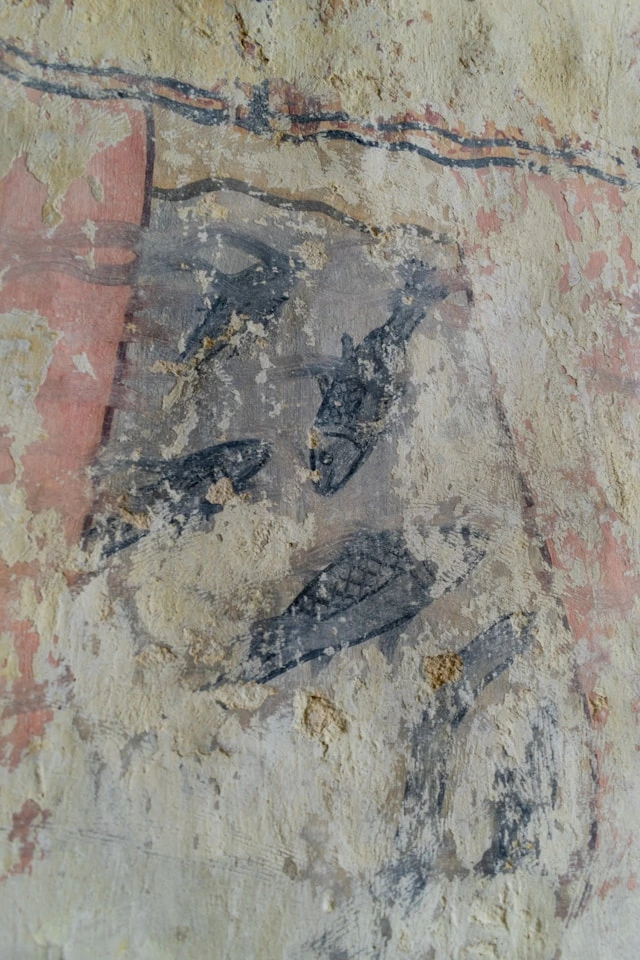
Some of the earliest human communication appears in cave paintings more than 30,000 years old. The Lascaux caves in France show animals, hunting scenes, and abstract marks left by early humans.1 They were not decoration. They were signals left for others to interpret.

Later, civilizations expanded symbolic communication into structured systems. Egyptian hieroglyphs used visual marks to represent both sounds and whole concepts.2 Symbols came before brands, but the instinct is the same. Meaning, compressed.
The word brand has a literal origin. It traces back to the act of burning a mark into livestock to identify ownership. That practice is one of the clearest early examples of a symbol tied to reputation and accountability.3
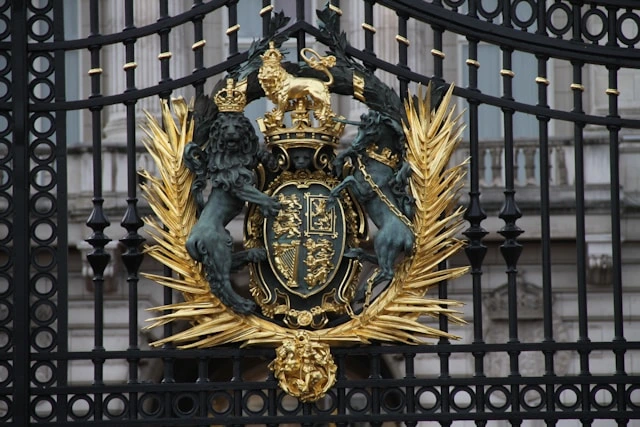
Long before corporate logos, noble families used heraldic crests to represent lineage and reputation. These marks followed rules so they could be recognized quickly on shields, banners, and seals.4 That visual language still shows up today in sports clubs and universities, where crests signal tradition and authority.
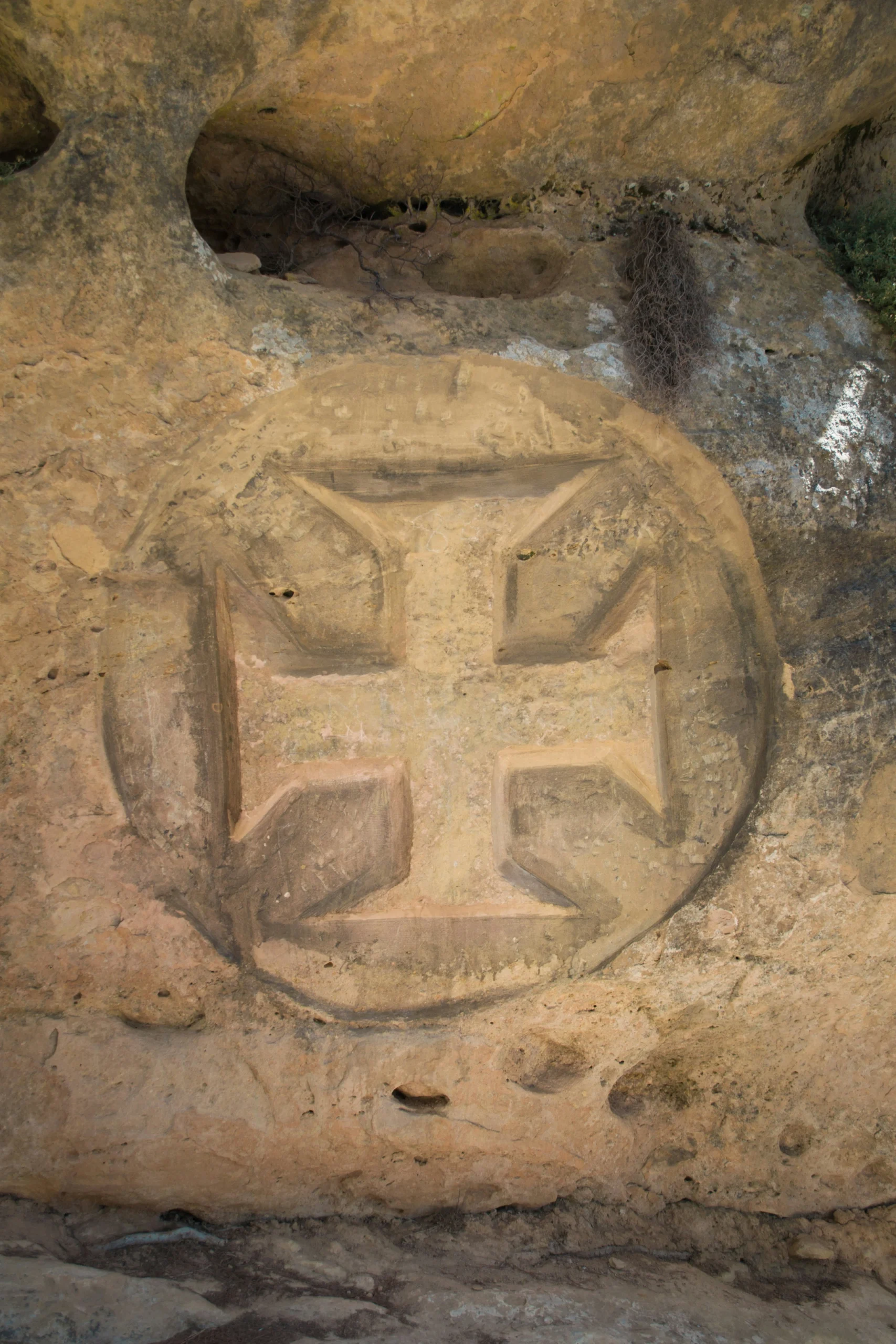
Some of the most powerful symbols in history come from religion. They carry meaning across languages, borders, and centuries. Religious iconography shows how a simple mark can become a container for belief and identity on a civilizational scale.5
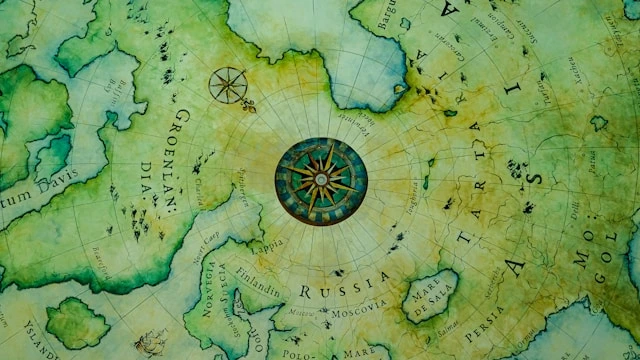
Some symbols became powerful because they helped humans survive. The compass rose, common in cartography and nautical charts, became a widely recognized mark of direction and orientation.6
Stars carried similar meaning through navigation. Polaris, the North Star, has long served as a stable reference point for finding direction.7 That is one reason stars still show up everywhere, from flags and insignia to ratings and brand marks.
As trade expanded through medieval Europe, merchants needed identification that did not rely on literacy. Merchant marks and seals were simple symbols used on goods, crates, and correspondence to indicate origin and authenticity.8 In many ways, they function like early commercial logos.
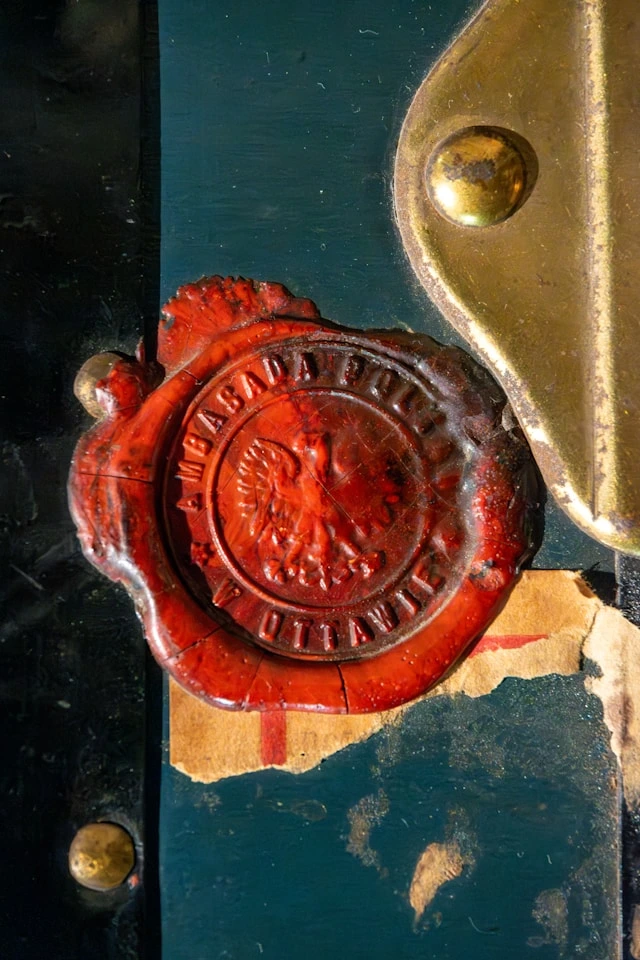
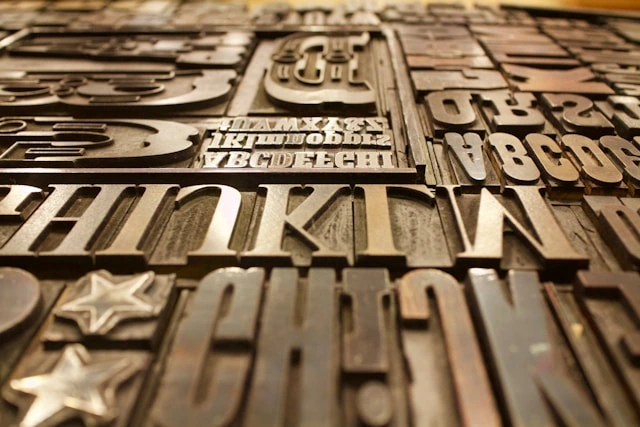
Typography carries a parallel story. Before digital fonts, letters used in printing were physical objects, cast and standardized for presses. The term type foundry reflects that manufacturing reality.9 Identity became repeatable through craft, consistency, and tools built for scale.
Consistency. Power
Across all these traditions one principle keeps appearing. Symbols only retain power when they remain consistent. Crests had to be recognizable across shields and banners. Merchant marks had to remain legible across shipments. Printing demanded letters cast to exact standards. The symbol is only part of the system. Consistency is what protects meaning.
Modern branding is simply the newest chapter in this older pattern. A logo, a sign, a website, and apparel all send signals about the same identity. When those signals align, the brand becomes recognizable and trustworthy. When they conflict, the identity weakens.
The tools have changed. The rules have not.
Notes
- Clottes, Jean. Cave Art. Phaidon Press, 2008.
- Allen, James P. Middle Egyptian: An Introduction to the Language and Culture of Hieroglyphs. Cambridge University Press, 2014.
- Room, Adrian. Dictionary of Word Origins. Routledge, 2002.
- Fox-Davies, Arthur Charles. A Complete Guide to Heraldry. Skyhorse Publishing, 2017.
- Eliade, Mircea. The Sacred and the Profane. Harcourt, 1959.
- Thrower, Norman J. W. Maps and Civilization: Cartography in Culture and Society. University of Chicago Press, 2008.
- Ridpath, Ian. Star Tales. Lutterworth Press, 2018.
- Money, John. Trade Marks. Sweet & Maxwell, 1972.
- Meggs, Philip B., and Alston W. Purvis. Meggs’ History of Graphic Design. Wiley, 2016.
Works Cited
- Allen, James P. Middle Egyptian: An Introduction to the Language and Culture of Hieroglyphs. Cambridge University Press, 2014.
- Clottes, Jean. Cave Art. Phaidon Press, 2008.
- Eliade, Mircea. The Sacred and the Profane. Harcourt, 1959.
- Fox-Davies, Arthur Charles. A Complete Guide to Heraldry. Skyhorse Publishing, 2017.
- Meggs, Philip B., and Alston W. Purvis. Meggs’ History of Graphic Design. Wiley, 2016.
- Money, John. Trade Marks. Sweet & Maxwell, 1972.
- Ridpath, Ian. Star Tales. Lutterworth Press, 2018.
- Room, Adrian. Dictionary of Word Origins. Routledge, 2002.
- Thrower, Norman J. W. Maps and Civilization: Cartography in Culture and Society. University of Chicago Press, 2008.